CUSTOM RESIN DEVELOPMENT - B2B PROJECTS

Custom Epoxy and PU Resin Formulation for B2B Production

When a standard resin does not match your substrate, dispensing process, curing target or finished-product performance, HSFECL can review selected epoxy and polyurethane formulation requirements for suitable B2B projects.

  • Defined Production Application
  • Technical Feasibility Review
  • Sample & Scale-Up Testing
  • Bulk & Repeat Supply

PROJECT FIT

When Does a Custom Resin Formula Make Commercial Sense?

Custom formulation is a second step after standard product matching. It is useful when a defined B2B production requirement cannot be solved by the current product range.

HSFECL first compares each project with its internal library of more than 400 resin formula directions. Custom development is reviewed only when current formula directions cannot meet a defined production requirement.

Appropriate custom projects may include

  • A standard formula is too thick or too thin for the dispensing equipment.
  • The available working time does not match the production cycle.
  • Curing is too slow or too fast for the process.
  • The cured material is too soft, too hard or does not retain shape.
  • The current resin does not level correctly on the actual substrate.
  • Outdoor yellowing resistance, color or black encapsulation requires review.
  • Packaging, mix ratio or private-label requirements differ from the standard offer.
  • A distributor or brand requires a stable private-label product.

A standard product is usually preferable when

  • The current product already meets the application.
  • Only a very small quantity is required.
  • There is no defined production process or test method.
  • Target performance cannot be measured or described.
  • The buyer has not tested any material yet.
Compare Current Standard Products

APPLICATION COVERAGE

Custom Review Across the Current Resin Product Range

Each application family starts from the closest current product. Adjustment directions are reviewed as project requirements, not as independent guarantees.

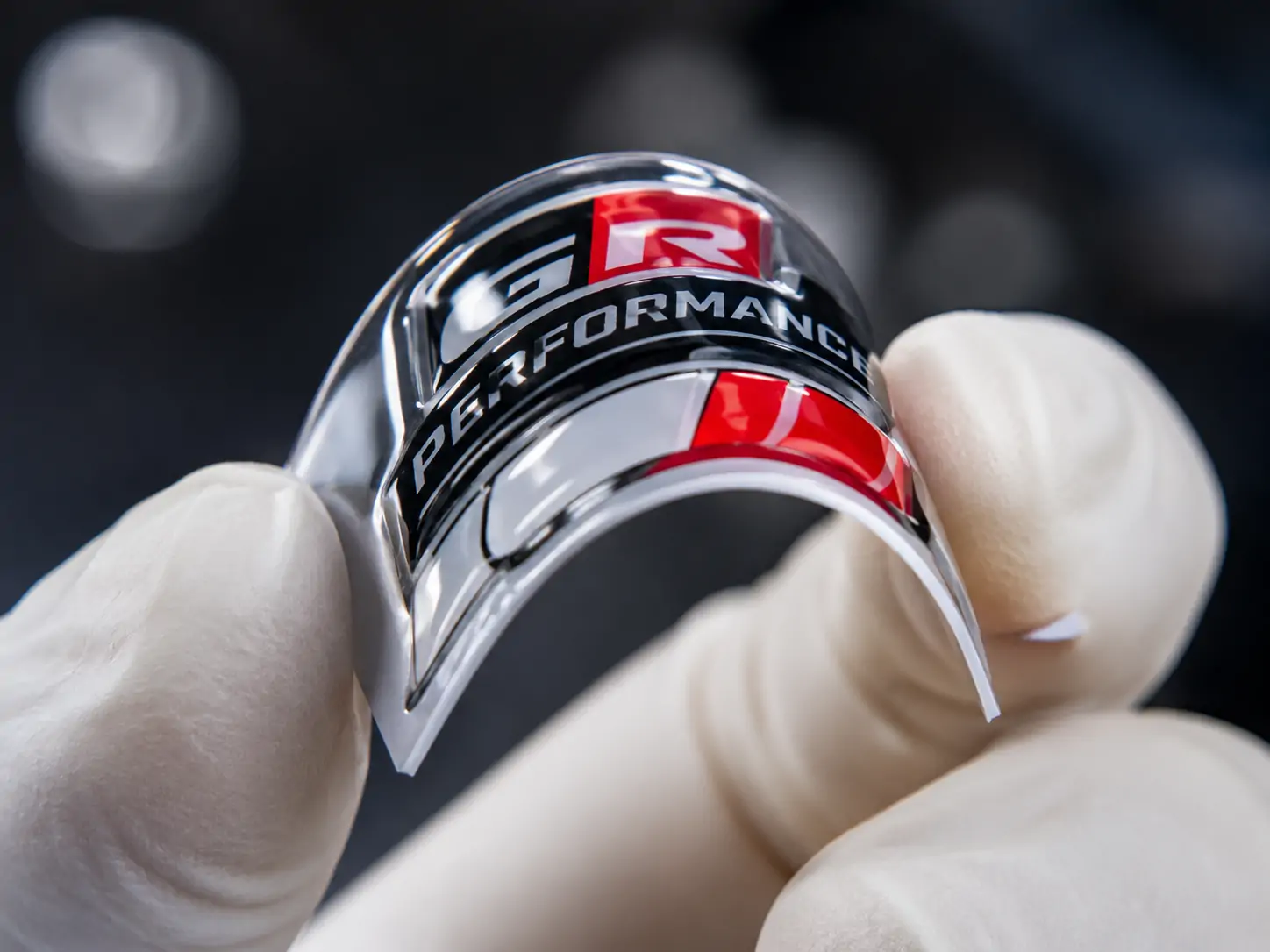
Doming Resin

Viscosity, cured softness or hardness, cure speed, clarity, yellowing resistance and dispensing compatibility.

View Epoxy Doming Resin

PU Doming Resin

Working time, flexibility, clarity, outdoor positioning and dispensing requirements.

View PU Doming Resin

FORMULATION DIRECTIONS

Performance Directions That May Be Reviewed

The review starts with production requirements and test targets. A preferred ratio or property may be reviewed, but not every combination is technically or commercially suitable.

Viscosity

Does the resin need to flow more easily or remain in a controlled area?

Working Time

How long must the mixed material remain usable during production?

Cure Speed

Is faster handling required, or is additional processing time more important?

Cured Hardness

Should the final product remain flexible, resilient, medium-hard or rigid?

Flexibility

Will the finished product bend, roll, flex or experience repeated movement?

Clarity and Appearance

Is high transparency, gloss, color or black encapsulation required?

Yellowing Resistance

Is the product intended for indoor, occasional outdoor or longer-term outdoor use?

Leveling and Bubble Release

How does the resin need to flow and release trapped air in the actual process?

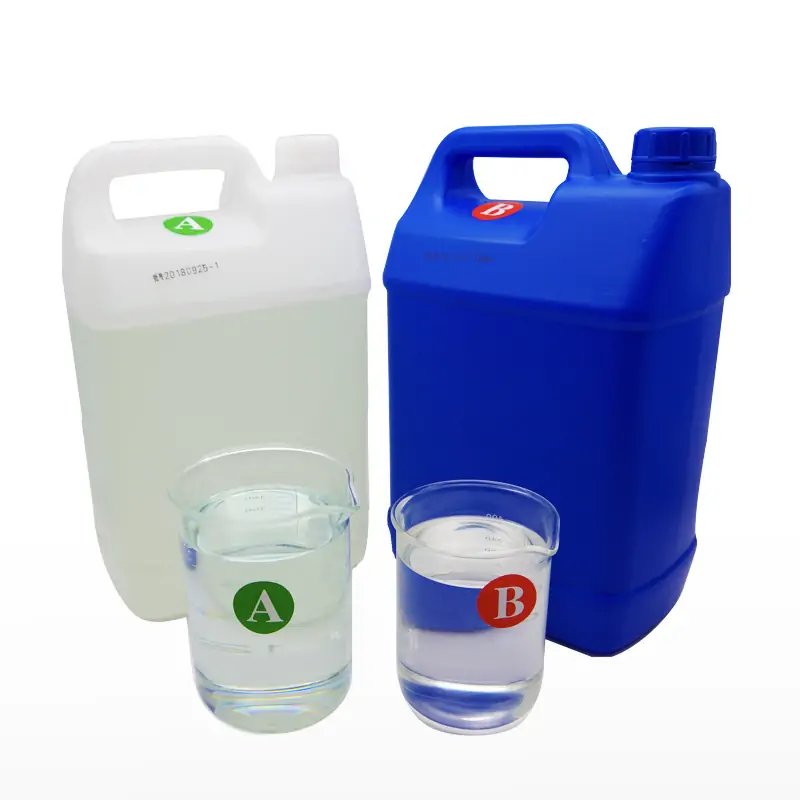
Mix Ratio

A preferred 1:1, 2:1, 3:1 or 5:1 system may be reviewed, but the ratio cannot be guaranteed for every target.

Packaging

What package size, label language or private-label format is required?

Electronic Requirements

Electrical, thermal or flame-retardant requirements need defined target values and applicable test standards.

Some performance targets involve trade-offs. For example, changing cure speed may affect working time, and changing hardness may affect flexibility. Final feasibility requires engineering review and testing.

ENGINEERING REALITY

A Stronger Claim in One Area May Change Another Property

These examples are general project considerations, not fixed outcomes for every formula.

Faster Cure vs Working Time

A faster reaction may reduce the available dispensing or casting time.

Higher Hardness vs Flexibility

A harder cured result may reduce bending or recovery performance.

Higher Viscosity vs Bubble Release

A thicker resin may provide stronger shape control but may require different mixing and degassing conditions.

Longer Outdoor Positioning vs Cost

Enhanced anti-yellowing or weathering performance may increase formulation and raw-material cost.

DEVELOPMENT PROCESS

From Technical Requirement to Repeat Bulk Supply

Development may require more than one test round depending on the project. Scale-up testing is required before repeat supply confirmation.

  1. 01

    Requirement Review

    The buyer provides the application, substrate, process, current problem and target performance.

  2. 02

    Standard Product Check

    HSFECL first evaluates whether an existing product can meet the requirement.

  3. 03

    Feasibility and Formula Direction

    If a standard product is not suitable, selected adjustment directions are reviewed.

  4. 04

    Sample and Production Testing

    The buyer evaluates the sample using the actual substrate, equipment, mixed volume and curing environment.

  5. 05

    Scale-Up and Bulk Confirmation

    After successful testing, the formula, packaging, purchasing volume and repeat supply plan are confirmed.

TECHNICAL PROJECT BRIEF

Build a Custom Resin Requirement Brief

Choose the closest project context. The summary will be included with the normalized inquiry form below. You can continue even when some values are not clear yet.

01What are you manufacturing?
02What is your current starting point?
03What is the primary issue to solve?

Select one or more if needed.

04Which result is most important?
05How is the material used in production?
06What is the expected purchasing stage?

SAMPLE & SCALE-UP

A Laboratory Sample Is Only the Starting Point

A formula that performs well in a small test must still be evaluated under the buyer's actual equipment, batch size, application thickness, substrate and curing environment.

Custom resin sample testing before pilot production and scale-up evaluation
  1. 01

    Laboratory Sample

    Initial sample direction based on the reviewed requirement.

  2. 02

    Application Test

    Test the resin with the actual substrate, mold, label, component or floor layer.

  3. 03

    Pilot Production

    Evaluate mixed volume, equipment settings, curing environment and batch repeatability.

  4. 04

    Bulk Production Confirmation

    Confirm formula direction, packaging and repeat purchasing plan after testing.

Do not move directly from a small sample to full-scale production without pilot evaluation when mixed volume, pour depth, machine settings or curing conditions change significantly.

Submit a Sample Development Brief

COMMERCIAL FEASIBILITY

What Affects Custom Development Feasibility?

Suitable project volume will be reviewed according to formulation complexity and purchasing plan. No universal MOQ is published here.

Technical Complexity

Some performance combinations may require several test rounds or may not be technically compatible.

Expected Volume

Custom development is generally more suitable for meaningful B2B purchasing volume and repeat demand.

Raw-Material Cost

Higher weathering, clarity or specialized performance may increase product cost.

Production Consistency

The formula must be suitable for stable manufacturing and future repeat supply.

Testing Requirement

The buyer must evaluate the product under actual production conditions.

OEM & PRIVATE LABEL

From Formula Review to Market-Ready Packaging

For distributors and product brands, formulation review may be combined with packaging, label language, private-label and repeat supply planning.

Final packaging and labeling requirements depend on the formula, order quantity and destination market.

OEM packaging and private-label resin supply for B2B buyers

FASTER STARTING POINT

A Standard Product May Already Meet Your Requirement

Before starting a custom-development project, review the current product range. Standard products normally provide faster sampling, clearer technical references and lower development complexity.

Explore All Standard Products

FREQUENTLY ASKED QUESTIONS

Questions About Custom Resin Formulation

When should I request a custom formula instead of a standard product?

Request custom review when a current standard product cannot meet a defined technical, production or packaging requirement after reasonable evaluation.

Which resin properties may be adjusted?

Viscosity, working time, cure behavior, cured character, flexibility, clarity, appearance, yellowing resistance, selected technical requirements and packaging may be reviewed depending on the project.

Can I specify a preferred mix ratio?

A preferred mix ratio may be reviewed, but it cannot be guaranteed for every performance target.

Can every performance target be combined in one formula?

No. Some requirements involve technical trade-offs, so feasibility must be reviewed and confirmed through testing.

How many sample rounds are required?

The number of test rounds depends on the difference between the current product and target performance. One-round approval should not be assumed.

Is there a minimum order quantity for custom development?

No universal MOQ is stated. Suitable project volume depends on formula complexity, raw materials, testing and repeat-purchase potential.

Can I send my current product or TDS for comparison?

Yes. Current product information, TDS documents, test reports and production context can help technical review where the receiving channel supports it.

Can you match another supplier's formula exactly?

HSFECL does not promise exact copying. We can review the application, current product performance and target requirements to develop or recommend an appropriate product direction.

Do you support private-label packaging?

Private-label packaging may be discussed after confirming formula direction, order quantity, destination market and repeat supply plan.

Can you provide the chemical recipe?

No public or transferable chemical recipe is promised. HSFECL supplies finished resin products and technical product information according to the agreed commercial project.

Can custom electronic potting requirements be reviewed?

Yes. Electronic potting requirements such as viscosity, working time, cure behavior, hardness, color and selected technical targets can be reviewed when target values and standards are defined.
CUSTOM FORMULATION REVIEW

Submit Your Custom Resin Technical Brief

Share your contact details and project description. If you used the builder, the technical brief context will be included automatically.

Add Technical Details - Optional