Quick Answer: Six Stages of Epoxy Sample Evaluation
| Stage | Required Action |
|---|---|
| 1. Define the Application | Confirm the product, substrate, thickness, mix ratio, production method and use environment |
| 2. Inspect the Sample | Check labels, batch information, packaging, appearance and accompanying technical documents |
| 3. Test Under Real Conditions | Use actual materials, equipment, temperature and batch size |
| 4. Record the Results | Use a consistent form to record pass, fail and deviation |
| 5. Verify with a Small Batch | Confirm that scale-up performance, packaging, batch control and delivery remain stable |
| 6. Confirm Bulk Terms | Lock the product, specification, quality standard, documents and problem-handling process |
Define What Acceptable Means
A visually attractive sample is not enough without application-specific acceptance criteria.
Useful criteria may include:
- Application type, mix ratio and production method
- Viscosity, working time, surface dry, demolding and full cure
- Clarity, color, bubbles, leveling, hardness and flexibility
- Adhesion, batch size, maximum thickness and mold size or dispensing area
- Substrate, ink, pigments, fillers, indoor or outdoor use
- Temperature, humidity and mechanical conditions
| Application | Typical Focus |
|---|---|
| River-Table Epoxy | Exotherm and pour depth |
| Doming Resin | Flow, edge control and cured character |
| Electronic Potting | Focus may include insulation, hardness and internal voids |
Inspect Documentation and Packaging Before Mixing
| Inspection Item | Recommended Check |
|---|---|
| Product Identification | Product name or model, Part A / Part B, mix ratio and intended application |
| Batch Information | Batch number, production date or other traceable information |
| Packaging Condition | Seal integrity, leakage, crystallization, separation, settlement, contamination or abnormal color |
| Technical Documents | Corresponding TDS, SDS and available quality documents |
| Storage and Transport | Whether the sample experienced high temperature, low temperature or extended transport, and whether it should return to test temperature |
| Sample Version | Confirm whether the sample formula is the same version intended for future bulk supply |
Available quality documents should be discussed according to product and commercial agreement.
Test Under Real Production Conditions
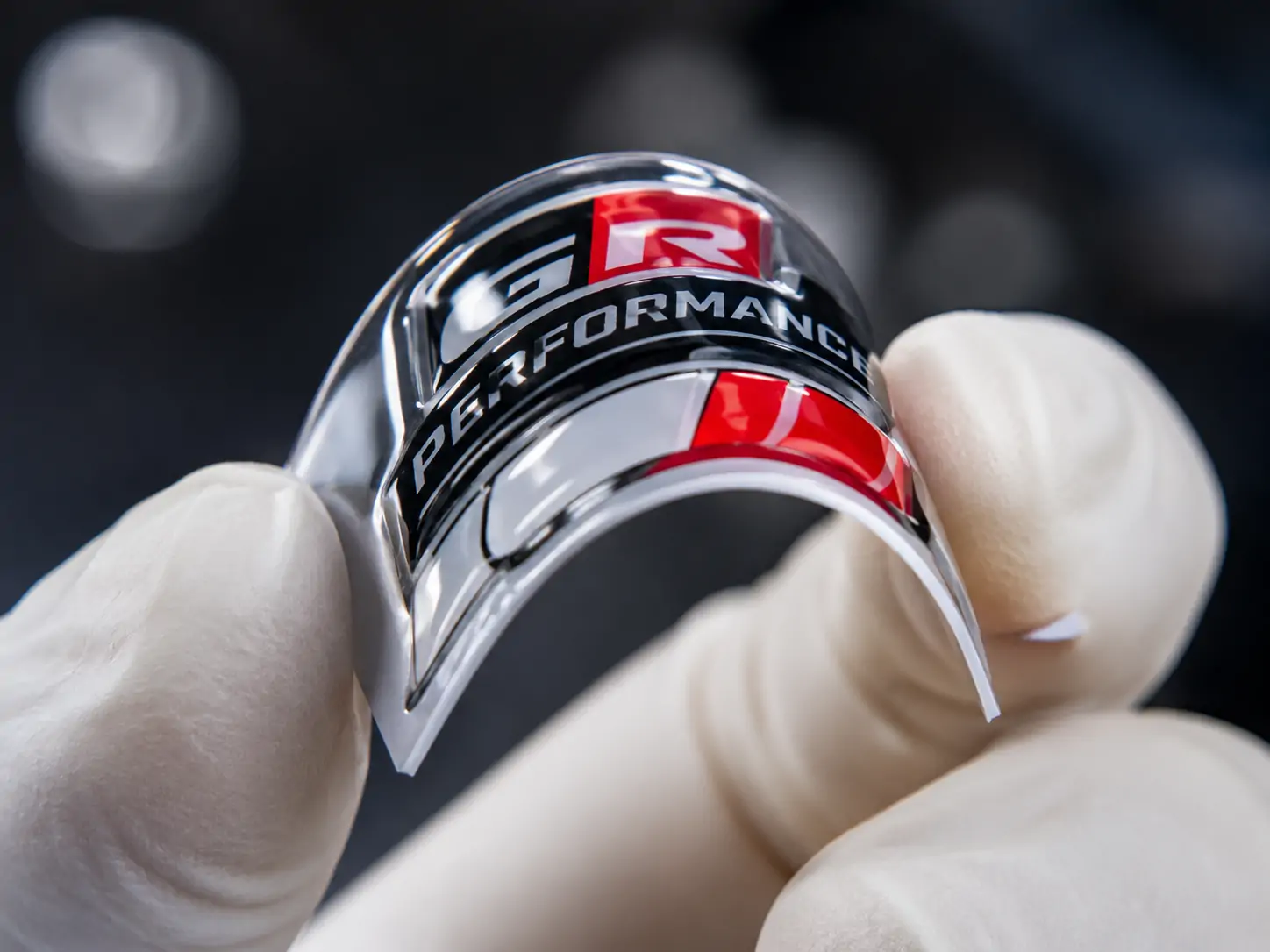
Sample testing should reproduce future production as closely as practical, using the actual substrate, actual equipment, intended batch size and temperature close to the production environment.
| Before Mixing | Appearance, flow, material temperature and abnormal condition |
|---|---|
| Measuring and Mixing | Ratio accuracy, mixing difficulty, uniformity and bubble generation |
| Application | Viscosity, leveling, wetting, edge control, mold filling or dispensing behavior |
| Curing | Exotherm, surface condition, surface dry, demolding and full cure |
| Finished Product | Clarity, color, hardness, flexibility, adhesion, shrinkage and visible defects |
Multiple samples or repeated batches should be used where practical.
Do Not Test Only the Best-Looking Sample
The buyer needs repeatable results in the buyer's own process.
Within technically approved limits, compare:
- Normal, lower and higher production temperatures
- Minimum and normal batch sizes
- Different operators or shifts
- Manual versus machine mixing
- Different substrate, ink, pigment or filler batches
- Maximum planned product size and maximum planned thickness
- Longest planned dispensing cycle
The purpose of process-window testing is not to force the product to fail. It is to confirm whether the material remains controllable under normal production variation.
Any test outside the TDS or safety requirements should be approved by technical personnel before execution.
How Should an Epoxy Supplier Be Evaluated?
| Evaluation Area | Questions the Buyer Should Ask |
|---|---|
| Application-Matching Capability | Does the supplier understand the use, equipment and production problem before recommending a product? |
| Technical Documentation | Can the supplier provide the corresponding TDS, SDS and agreed batch-quality documents? |
| Batch Traceability | Is the product identified by batch, retained sample or another traceability process? |
| Consistency Control | Are the sample, trial order and formal order produced to the same formula and quality standard? |
| Packaging Capability | Are Part A and Part B packed according to the required ratio, with clear labels, seals and export packaging? |
| Problem Handling | How will curing, packaging or batch problems be documented, reviewed and retested? |
| Repeat Supply | Can the formula, raw-material standard and packaging support repeat orders rather than one isolated sample? |
These are buyer-evaluation questions, not automatic supplier claims.
Use a Small-Batch or Trial Order Before Full Scale-Up
Moving directly from a few hundred grams to a full shipment can magnify mixing risk, exotherm, machine compatibility, packaging errors and batch variation.
Validation points include:
- Effect of larger mixed quantities, working time, exotherm and curing
- Equipment metering, mixing-head stability and production rhythm
- Part A / Part B ratio and net weight
- Batch labels, TDS and SDS matching
- Agreed documents and condition after transportation
- Trial-production acceptance
Do not prescribe a fixed trial-order size or MOQ without an agreed commercial context.
What Should Be Confirmed Before Bulk Purchasing?
| Purchasing Term | Recommended Written Confirmation |
|---|---|
| Product Identity | Product name or model, mix ratio, application and approved sample or batch |
| Quality Standard | Agreed key properties, test methods and acceptance range |
| Packaging Specification | Part A / Part B net weight, container material, labels, cartons and pallets |
| Documents | TDS, SDS, batch COA or other agreed shipment documents |
| Quantity and Lead Time | MOQ, order volume, production cycle and expected shipment date |
| Storage and Shelf Life | Storage conditions, shelf-life starting point and transport requirements |
| Change Management | Whether formula, key raw materials or packaging changes will be communicated in advance |
| Problem Handling | Sampling, photographs, production records, retesting and corrective-action process |
These terms should be confirmed in writing as agreed documents and commercial conditions, not assumed as automatic universal promises.
Supplier Risk Signals to Watch
- No product name, ratio or batch information
- Technical data and sample label do not match
- Different documents use different product identities
- Supplier cannot explain whether sample and bulk use the same formula
- Absolute claims such as bubble-free, never yellows or works with every machine
- No basic SDS or storage/safety explanation
- Unexplained packaging, ratio or product-name change
- Supplier does not collect batch and production evidence when a problem occurs
One signal by itself does not always mean the supplier is unsuitable. When several appear together, the buyer should pause scale-up and request additional verification.
Conclusion
A safer purchasing path is:
- Sample Screening
- Real Production Testing
- Small-Batch Verification
- Written Quality and Packaging Confirmation
- Bulk Purchasing
This process helps buyers move from visual sample approval to production and repeat-purchasing readiness.
Frequently Asked Questions
One successful sample is useful, but bulk purchasing should also confirm real production conditions, repeatability, packaging, documents and small-batch or trial-order performance where practical.
There is no single universal property. The most important property depends on the application, such as flow and edge control for doming, exotherm for river tables, or compatibility with graphics and layers for decorative flooring.
Whether a COA is supplied with every batch depends on the product and commercial agreement. Buyers should confirm required documents before bulk purchasing.
The buyer should confirm product name or model, sample version, batch information, quality standard and any change-management process before formal purchasing.
Not necessarily. Low price should be compared with production stability, batch consistency, technical support, packaging, documentation and repeat-supply risk.
NEXT STEP
Need Help Planning an Epoxy Sample Evaluation?
Share the application, substrate, mix ratio, production method, key acceptance criteria and expected purchasing quantity. Our team can help identify a sample direction and prepare for trial production and repeat supply.
Discuss a Custom Resin Formula